
Kenya Tea Development Agency: Empowering Millions Through Farmer-Driven Enterprise
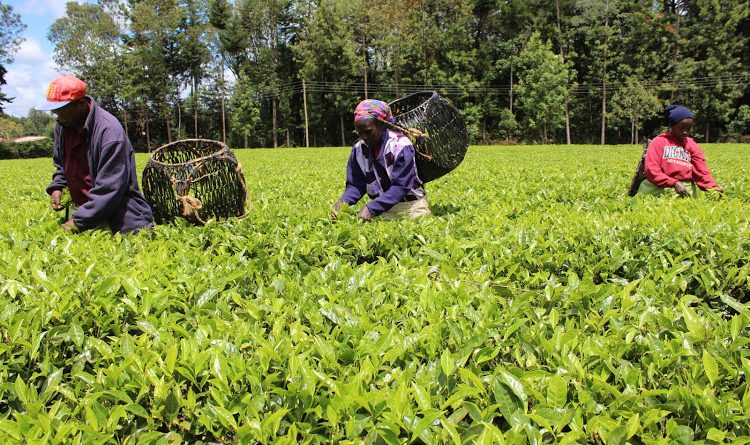
Across the rolling green hills of Kericho, Nyeri, Murang’a, and Kisii, tea bushes stretch endlessly toward the horizon. These fields represent far more than agricultural production—they symbolize one of Kenya’s greatest economic success stories. At the center of this transformation stands the Kenya Tea Development Agency (KTDA), an institution that has empowered millions of smallholder farmers and elevated Kenya into one of the world’s most respected tea exporters.
A Farmer-Owned Revolution
KTDA’s story is rooted in a bold vision: empowering smallholder farmers to participate meaningfully in global markets. Before its establishment, tea farming in Kenya was largely dominated by multinational plantations. Small-scale farmers lacked the infrastructure, market access, and processing facilities necessary to compete globally.
KTDA changed that dynamic by creating a farmer-owned model. Instead of farmers selling raw produce cheaply, KTDA enabled them to collectively own tea factories, processing plants, and marketing systems. This model ensured that farmers retained a larger share of the profits and benefited directly from the value chain.
Today, KTDA manages dozens of factories and serves over 600,000 farmers across Kenya. These farmers are not merely suppliers—they are shareholders in one of Africa’s most successful agricultural cooperatives.
Driving Kenya’s Global Tea Leadership
Kenya consistently ranks among the world’s largest tea exporters, and KTDA has played a central role in this achievement. Kenyan tea is globally recognized for its high quality, bright color, and strong flavor. It is exported to major markets including the United Kingdom, Pakistan, Egypt, and the United Arab Emirates.
KTDA ensures that tea is processed using modern equipment and strict quality standards. Factories managed by KTDA operate with efficiency and professionalism comparable to global industrial standards.
By connecting small farmers to international markets, KTDA has transformed tea into one of Kenya’s most reliable foreign exchange earners. The sector contributes billions of shillings annually to the economy and supports millions of livelihoods.
Economic Empowerment at the Grassroots
One of KTDA’s greatest achievements is its impact at the grassroots level. Tea farming has allowed rural families to access stable income, build homes, educate their children, and improve their quality of life.
Unlike many agricultural systems where middlemen dominate profits, KTDA ensures farmers receive direct payments. Bonuses paid annually provide significant financial boosts to farming communities, enabling investment and economic growth in rural areas.
Tea income has supported education for thousands of students, many of whom have gone on to become professionals, entrepreneurs, and leaders in various sectors.
Investing in Innovation and Sustainability
KTDA has embraced modernization to improve efficiency and sustainability. It has invested in renewable energy projects such as small hydropower plants that supply electricity to tea factories. This reduces operational costs and ensures environmentally responsible production.
The agency also provides training to farmers on modern farming techniques, including proper pruning, fertilization, and harvesting methods. These programs improve yields while preserving soil health and environmental sustainability.
Digital systems now allow farmers to track deliveries, payments, and performance more transparently than ever before.
Strengthening Rural Communities
Beyond tea production, KTDA has played a crucial role in rural development. The presence of tea factories has created employment opportunities for thousands of workers, including machine operators, drivers, technicians, and administrative staff.
The economic activity generated by tea farming has stimulated local economies. Markets, schools, healthcare facilities, and businesses have emerged around tea-growing regions, transforming once-remote areas into vibrant economic hubs.
Entire communities have grown and prospered because of the stability created by tea farming.
A Global Model of Agricultural Success
KTDA is widely regarded as one of the most successful smallholder agricultural models in the world. Its farmer-owned structure ensures equitable distribution of wealth and sustainable development.
Many countries have studied Kenya’s tea sector to replicate its success. KTDA demonstrates how organized agricultural systems can empower farmers, strengthen economies, and improve livelihoods.
Enduring Legacy
The Kenya Tea Development Agency represents more than an agricultural institution—it represents empowerment, innovation, and national pride.
By giving farmers ownership, opportunity, and access to global markets, KTDA has transformed Kenya’s rural economy. Its impact extends beyond tea fields into homes, schools, and communities across the country.
KTDA’s legacy continues to grow, proving that when farmers are empowered, entire nations prosper.